

When searching for a reliable hospital in Kathmandu or Nepal, patients are often looking for comprehensive care for both common and complex health problems. The General Medicine Department at KDC Hospital plays a crucial role in diagnosing, treating, managing, and preventing adult diseases, offering expert medical care, regular monitoring, and timely intervention. Whether you’re facing chronic conditions like diabetes or hypertension or acute health concerns such as infections or respiratory issues, our General Medicine Department provides the foundation for effective medical care.
For many families, the journey toward better health starts in general medicine. Whether someone needs an initial diagnosis, long-term disease management, preventive health screening, or referral to another specialty, the department serves as a central point of care. In any quality hospital in Kathmandu or leading hospital in Nepal, general medicine supports both outpatient and inpatient care and helps patients receive timely treatment before health problems become more serious.
What Is the General Medicine Department in a Hospital in Nepal?
The General Medicine Department, also known as Internal Medicine in many healthcare settings, focuses on the diagnosis, treatment, and prevention of non-surgical illnesses in adults. Physicians in this department are trained to evaluate symptoms affecting multiple organ systems and provide broad, evidence-based medical care.
In a modern hospital in Nepal, the General Medicine Department treats both acute and chronic medical conditions. Acute illnesses include conditions that begin suddenly, such as fever, respiratory infections, dehydration, or stomach infections. Chronic illnesses include long-term diseases such as diabetes, hypertension, thyroid problems, asthma, heart disease, and kidney disorders.
A good hospital in Kathmandu will usually rely on general medicine specialists to coordinate care for patients who have multiple health issues at the same time. For example, a patient may have diabetes, high blood pressure, fatty liver disease, and recurrent infections. Instead of treating each symptom in isolation, the General Medicine Department looks at the whole person and creates an integrated care plan.
This is why people comparing healthcare options often look beyond buildings and equipment. They want to know whether the best hospital in Nepal or the best hospital in Kathmandu has a strong General Medicine Department with experienced doctors, diagnostic support, preventive care, and follow-up services.
Why General Medicine Matters in a Hospital in Kathmandu
The need for internal medicine services is especially important in urban settings. In a busy hospital in Kathmandu, doctors frequently see patients affected by pollution-related respiratory illness, sedentary lifestyle disorders, stress-related digestive issues, metabolic disease, and infections that require careful diagnosis.
Kathmandu’s changing lifestyle patterns have increased the burden of non-communicable diseases. Conditions like hypertension, diabetes mellitus, obesity, high cholesterol, and cardiovascular risk are becoming more common. At the same time, infections such as viral fever, pneumonia, urinary tract infections, gastrointestinal infections, and seasonal illnesses continue to affect many adults. That means a well-functioning General Medicine Department is not optional; it is central to community health.
When people search for a top hospital in Kathmandu, they are often indirectly searching for dependable internal medicine care, fast evaluation, laboratory testing, physician consultation, and proper management of everyday and emergency medical conditions. Likewise, when patients seek a top hospital in Nepal, they usually value a hospital that can handle both simple and complicated medical cases efficiently.
What the General Medicine Department Treats in a Hospital in Nepal
The General Medicine Department treats a wide variety of diseases and symptoms. Below are the major categories of illness commonly managed in a quality hospital in Nepal.
Fever, Viral Illness, and Common Infections
One of the most frequent reasons patients visit general medicine is fever. Fever may be caused by viral infections, bacterial infections, seasonal flu, dengue-like illness, typhoid, chest infection, food poisoning, urinary infection, or systemic inflammation. A general medicine physician evaluates the patient’s symptoms, physical findings, test results, hydration status, and medical history to identify the cause.
Because fever can range from mild to serious, early evaluation in a hospital in Kathmandu is important. Symptoms such as persistent fever, chills, body ache, nausea, low appetite, confusion, or breathing discomfort may require urgent medical attention.
Respiratory Diseases and Breathing Problems
The General Medicine Department commonly treats cough, cold, sinus infection, sore throat, bronchitis, pneumonia, asthma flare-ups, chronic obstructive pulmonary disease, and allergy-related breathing problems. In an urban environment, air quality, smoking, dust exposure, and seasonal change can worsen respiratory health.
This is one reason many patients searching for the best hospital in Kathmandu prioritize hospitals with strong medical evaluation and respiratory care support. General medicine doctors help diagnose the cause of symptoms such as wheezing, chest congestion, phlegm production, breathlessness, and prolonged cough. They may recommend medication, oxygen support, nebulization, chest evaluation, or referral when needed.
High Blood Pressure and Heart-Related Conditions
Hypertension is often called a silent condition because it may not show obvious symptoms in the early stages. Yet uncontrolled high blood pressure can lead to stroke, heart attack, kidney damage, and vision problems. The General Medicine Department plays a major role in identifying and managing hypertension early.
Doctors in a top hospital in Nepal also monitor symptoms such as chest pain, palpitations, dizziness, swelling in the legs, and shortness of breath that may indicate cardiovascular disease. General medicine does not replace cardiology, but it is often the first department to detect risk and begin treatment or referral.
Patients who want the best hospital in Nepal often look for hospitals where lifestyle disease management is practical, organized, and patient-centered. Regular follow-up, blood pressure monitoring, medication adjustment, diet counseling, and risk reduction are all part of general medicine care.
Diabetes and Metabolic Disorders
Diabetes is one of the most common chronic diseases managed by internal medicine specialists. High blood sugar affects the nerves, kidneys, eyes, heart, skin, and immune system. In many adults, diagnosis happens only after symptoms appear, such as fatigue, frequent urination, excessive thirst, slow wound healing, blurred vision, or weight changes.
The General Medicine Department helps with:
- diabetes diagnosis
- blood sugar control
- medication planning
- insulin guidance
- diet and lifestyle advice
- monitoring for complications
- long-term follow-up
In a leading hospital in Kathmandu, diabetes care is not only about prescribing medicine. It also includes patient education, preventive counseling, routine testing, and support for related conditions like obesity, hypertension, and high cholesterol.
Gastrointestinal Disorders and Liver-Related Symptoms
General medicine physicians frequently treat acidity, gastritis, indigestion, bloating, constipation, diarrhea, vomiting, abdominal pain, gastroenteritis, reflux, and loss of appetite. These problems may be caused by infection, poor diet, stress, inflammation, medication side effects, or an underlying disease.
Doctors also assess warning signs such as jaundice, severe abdominal pain, black stools, dehydration, repeated vomiting, or unexplained weight loss. In many cases, general medicine is the first line of evaluation before referral to gastroenterology.
At any respected hospital in Nepal, early diagnosis of stomach, intestine, and liver-related disease can make a major difference in treatment success.
Thyroid Disease and Other Hormonal Problems
The General Medicine Department also treats endocrine and metabolic conditions such as hypothyroidism, hyperthyroidism, vitamin deficiency, metabolic syndrome, and some hormonal imbalances. Thyroid disorders may cause tiredness, hair fall, weight gain, weight loss, palpitations, mood changes, and temperature sensitivity.
Many patients ignore these symptoms for months. A physician in a hospital in Kathmandu can evaluate them with clinical assessment and blood tests and then create a treatment plan that supports long-term well-being.
Kidney Problems and Urinary Tract Infections
Kidney-related illness may begin with swelling, weakness, change in urination, elevated blood pressure, or abnormal lab results. Urinary tract infections may present with burning urination, lower abdominal pain, fever, or repeated urge to urinate.
General medicine doctors assess these conditions carefully, especially in patients who already have diabetes, hypertension, or dehydration. Early care is essential because untreated urinary or kidney disease can become serious.
Anemia, Weakness, and Nutritional Deficiency
Persistent tiredness, dizziness, pale skin, low concentration, and reduced exercise tolerance may be signs of anemia or nutritional deficiency. General medicine physicians evaluate blood disorders, iron deficiency, vitamin B12 deficiency, folate deficiency, and chronic illness that may contribute to weakness.
This kind of whole-body assessment is part of what makes general medicine so valuable in a top hospital in Kathmandu or any trusted hospital in Nepal.
The Role of General Medicine in the Best Hospital in Kathmandu
People often use search terms like best hospital in Kathmandu because they want safe, dependable, and complete care. A strong General Medicine Department is one of the clearest signs of that reliability. It helps with early detection, ongoing treatment, and proper referral when a patient’s condition requires another specialty.
In practical terms, the department supports patients by:
- evaluating symptoms early
- ordering appropriate lab tests
- interpreting reports in context
- managing chronic illness
- reducing preventable complications
- coordinating care with specialists
- advising on diet, lifestyle, and medication adherence
For example, a patient may come in with weakness and headache and later discover they have uncontrolled blood pressure, diabetes, or thyroid disease. Another may arrive with cough and fatigue and need treatment for pneumonia or asthma. General medicine bridges symptoms and diagnosis.
This is why a dependable hospital in Kathmandu gives great importance to internal medicine services. Patients do not always know which specialist they need first. The General Medicine Department helps them start in the right place.
Why Patients Search for the Best Hospital in Nepal for General Medicine
When families search for the best hospital in Nepal, they are usually thinking about trust, safety, physician expertise, diagnosis, timely treatment, and continuity of care. These expectations are closely connected to general medicine because this department manages a large share of everyday adult healthcare needs.
A high-quality General Medicine Department supports:
- preventive health checkups
- management of multiple chronic diseases
- inpatient monitoring for serious illness
- outpatient consultation for common symptoms
- medical care for senior citizens
- referral to cardiology, pulmonology, nephrology, gastroenterology, endocrinology, or neurology when required
General medicine is also important for elderly patients, who often live with more than one chronic illness at the same time. These patients may need medication adjustment, blood pressure monitoring, infection control, kidney function tracking, and regular physician review. Hospitals that manage such complexity well are often seen by the public as a top hospital in Nepal.
Preventive Care in a Top Hospital in Nepal
The General Medicine Department is not only about treating illness after it happens. It is also about prevention. Preventive care is one of the most valuable services in any top hospital in Nepal because it helps reduce complications, improve quality of life, and lower long-term health risk.
Preventive services often include:
- routine health screening
- blood pressure check
- blood sugar test
- cholesterol profile
- liver and kidney function tests
- thyroid testing
- health counseling
- vaccination advice
- weight management support
- smoking cessation guidance
In a busy hospital in Kathmandu, preventive medicine is especially useful because many adults delay treatment until symptoms become more severe. Early intervention helps doctors identify disease before complications develop.
For people choosing the best hospital in Kathmandu, preventive health programs and follow-up systems are often just as important as emergency treatment.
Symptoms That Mean You Should Visit a Hospital in Kathmandu
Many people wait too long before seeing a doctor. The following symptoms should not be ignored:
Warning Signs That Need Medical Evaluation
- fever lasting more than a few days
- chest pain or chest tightness
- shortness of breath
- uncontrolled blood pressure
- persistent cough
- repeated vomiting or diarrhea
- severe weakness or dizziness
- sudden swelling in the legs
- unexplained weight loss
- burning urination or reduced urine output
- high blood sugar readings
- confusion, fainting, or altered consciousness
When these symptoms appear, timely consultation at a trusted hospital in Kathmandu can help prevent complications. General medicine doctors are trained to identify whether the problem is mild, moderate, or urgent and to begin the right course of action.
How General Medicine Supports Other Departments in a Hospital in Nepal
The General Medicine Department does not work alone. It often functions as a coordinating department within a hospital in Nepal. Patients may begin in general medicine and later need support from cardiology, pulmonology, gastroenterology, endocrinology, nephrology, neurology, or critical care.
For example:
- a patient with chest pain may need cardiology evaluation
- a patient with uncontrolled asthma may require pulmonology support
- a patient with severe abdominal symptoms may need gastroenterology
- a patient with persistent kidney problems may need nephrology
- a patient with stroke symptoms may need neurology
Even when referral is necessary, general medicine remains central because it ensures continuity, interprets the overall health picture, and helps manage associated conditions.
This broad, integrated approach is one reason many people consider internal medicine services when comparing the best hospital in Nepal and the top hospital in Kathmandu.
General Medicine and Long-Term Chronic Disease Management
Long-term diseases require consistency, discipline, and follow-up. The General Medicine Department is one of the most important departments for chronic care management because it helps patients maintain stability over time.
Conditions commonly followed over months or years include:
- hypertension
- diabetes
- asthma
- COPD
- thyroid disorder
- chronic liver disease
- kidney disease
- recurrent infection
- anemia
- metabolic syndrome
Effective chronic care means more than prescribing tablets. It means teaching patients how to understand their disease, track symptoms, follow diet plans, take medicine correctly, return for follow-up, and recognize warning signs early.
In a strong hospital in Kathmandu, chronic disease management can help reduce emergency admissions, improve daily functioning, and protect long-term organ health.
Choosing the Top Hospital in Kathmandu for General Medicine Care
When selecting a top hospital in Kathmandu, patients often evaluate the following:
- availability of experienced physicians
- clear diagnosis and communication
- access to laboratory and imaging support
- good outpatient and inpatient coordination
- strong follow-up care
- focus on preventive medicine
- patient-centered treatment approach
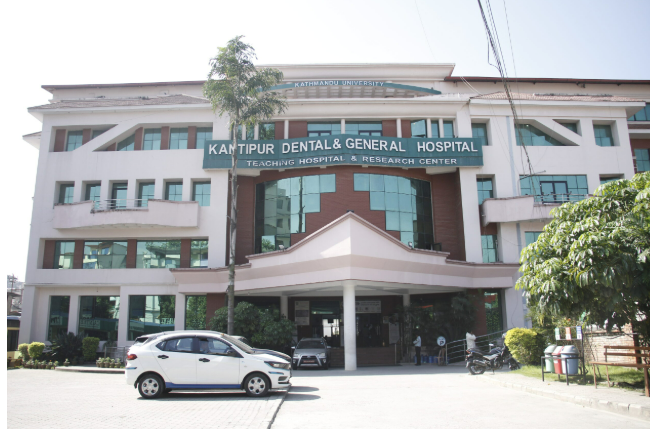
For a hospital like KDC Hospital, the General Medicine Department is an important service because it reflects the hospital’s ability to care for a broad patient population. From common infections to chronic disease control, it is one of the first and most essential points of contact in adult healthcare.
Similarly, when comparing the top hospital in Nepal or the best hospital in Kathmandu, patients often trust institutions that offer thorough consultation, evidence based treatment, and compassionate medical supervision through their general medicine team.
Conclusion
The General Medicine Department is one of the most important departments in any hospital in Nepal. It treats a wide range of illnesses, including fever, infections, respiratory diseases, hypertension, heart-related symptoms, diabetes, digestive disorders, thyroid disease, kidney problems, anemia, and many chronic health conditions. It also plays a key role in preventive care, early diagnosis, and long-term follow-up.