

Searching for the best Hospital in Nepal is rarely a casual query. It usually means you’re about to make a decision that affects health outcomes, costs, time, and peace of mind, especially if you’re choosing a hospital in Kathmandu or a hospital around Basundhara for emergencies, surgery, diagnostics, or family care.
This guide gives you a decision framework you can use today: what “best” should mean in healthcare, how to compare hospitals without getting misled, and what KDC Hospital publicly offers so you can choose confidently, not emotionally.
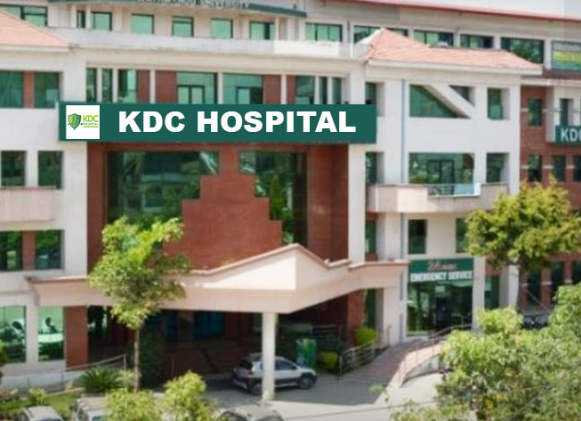
The “best hospital in Nepal” is not the one with the biggest ads, it’s the hospital that consistently delivers safe, effective, timely, people-centered care with reliable emergency response, qualified specialists, accurate diagnostics, and transparent processes. In practice, “best” means fewer preventable harms, faster treatment, and clearer clinical decision-making.
What “Best Hospital in Nepal” should actually mean
Healthcare is YMYL, your money and your life so the right way to define “best” is through quality principles.
WHO describes quality health services as effective, safe, people-centred, timely, equitable, integrated, and efficient.
WHO also reports that around 1 in 10 patients is harmed in health care, and a large share of harm is preventable meaning safety systems matter as much as specialists.
The “best hospital” signals you can verify quickly
A hospital is more likely to be truly “best” when it can demonstrate:
- Emergency readiness (triage, time-sensitive interventions)
- Critical care capability (ICU support when patients deteriorate)
- Diagnostics accuracy + speed (lab/radiology, structured reporting)
- Specialist availability (not just visiting names actual schedules)
- Sterilization + infection control systems
- Clear processes (consent, billing transparency, discharge planning)
“In 2026, ‘best hospital’ is a system question: hospitals win trust by reducing variability in the quality of care on Monday morning and Saturday night.”
- “Best” = consistent safety + quality + timeliness, not branding.
- Choose hospitals by systems: emergency, ICU, diagnostics, infection control, specialist schedules.
Hospital in Nepal: Step-by-step process to choose the right one
Use this 7-step process when comparing any hospital in Nepal, including a hospital in Kathmandu.
1) Confirm emergency capability (if relevant)
Ask:
- Is there 24/7 emergency coverage?
- Do they have trained teams for trauma and time-sensitive care?
WHO emphasizes emergency care as a platform for delivering time-dependent interventions which is exactly what you need in acute illness and injury.
2) Verify critical care support (ICU)
Even if you’re visiting for OPD, complications can happen. A credible hospital should have ICU pathways and escalation readiness.
3) Validate diagnostics: lab + imaging under one roof
Speed matters for correct diagnosis and reduced delays.
Look for: automated lab, radiology, ECG/ECHO, ultrasound, digital X-ray (as needed).
4) Check specialist coverage + schedules
A strong hospital publishes OPD schedules and maintains consultant availability.
5) Ask about sterilization and infection control
If surgery or procedures are involved, ask about sterilization systems and instrument processing.
6) Compare transparency: costs, consent, and discharge planning
The “best hospital” explains:
- What tests are needed (and why)
- Likely pathway of care
- Discharge instructions + follow-up plan
7) Use reputation the right way
Reviews can help but only after you’ve verified clinical capability.
- Start with emergency + ICU + diagnostics.
- Then validate specialists, infection control, and transparency.
- Reviews come last.
Comparison tables
Table 1: Which hospital type do you need?
| Need | Best-fit hospital type | Why |
| Chest pain, breathing distress, trauma | Emergency-capable hospital | Time-dependent care + triage |
| Surgery/procedures | Hospital with OT + sterilization systems | Lower infection risk + safer workflows |
| Chronic care + follow-up | Multispecialty hospital | Better coordination across departments |
| Diagnostics-only | Diagnostic center or hospital lab | Faster results, but confirm quality |
Table 2: “Best hospital in Kathmandu” evaluation matrix
| Criteria | What “good” looks like | What’s risky |
| Emergency | 24/7 emergency team + fast triage | Limited hours, slow response |
| ICU | Clear escalation and monitoring | No ICU/unclear transfers |
| Diagnostics | Automated lab + radiology support | Outsourced tests with delays |
| Sterilization | Dedicated CSSD/sterile supply workflow | “We sterilize in OT only” |
| Specialists | Published schedules + multiple departments | Names without availability |
| Transparency | Clear consent, plan, discharge steps | Vague care plans and billing |
Best Hospital in Nepal: Why KDC Hospital is a strong contender (evidence-based, not fluffy)
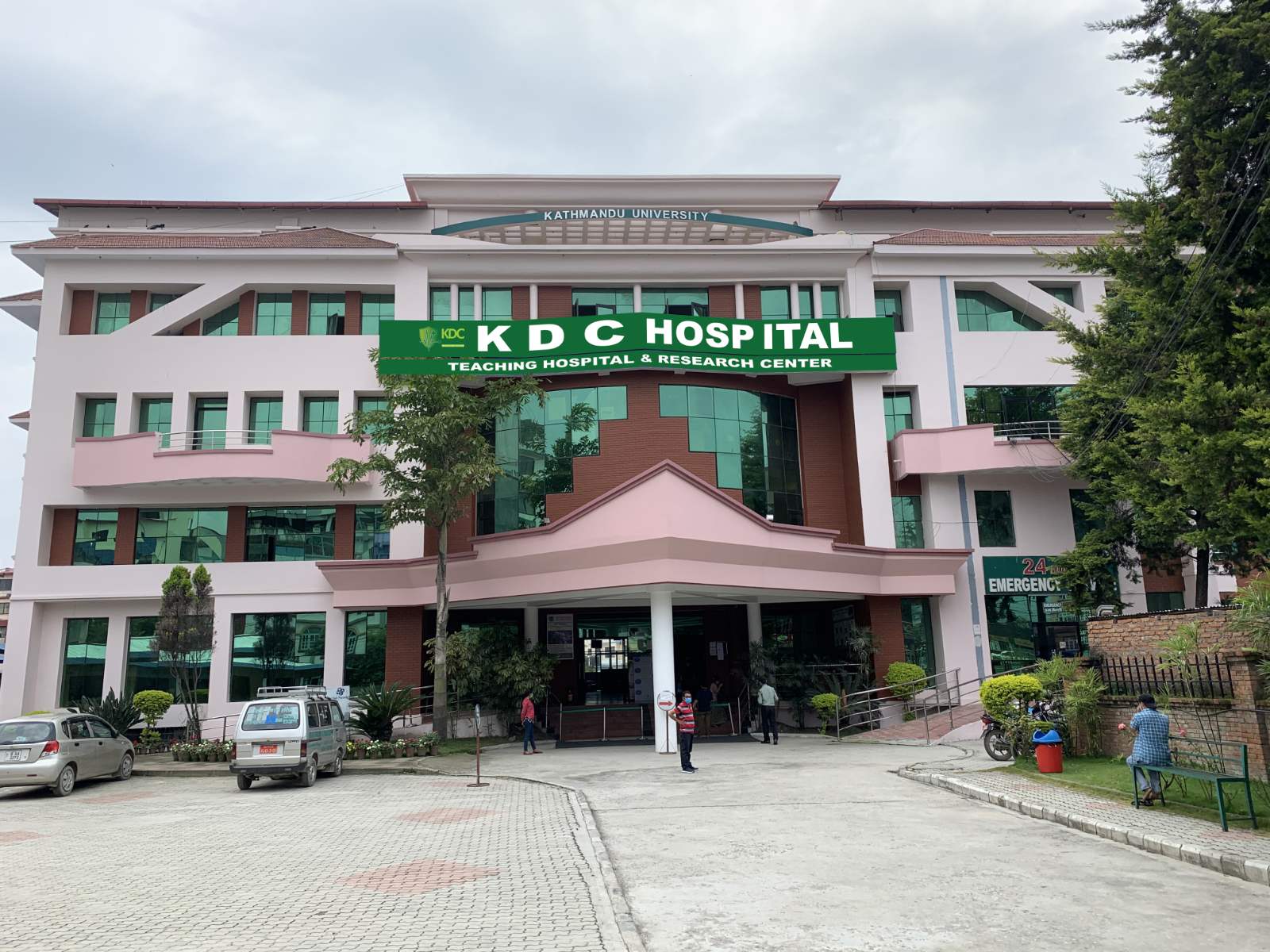
KDC Hospital is positioned as a multispecialty general hospital in Kathmandu, located at Dhapasi, Basundhara (near Police Beat), Ring Road, Kathmandu-3 which directly matches searches like hospital around basundhara and hospital in kathmandu.
1) Track record and scale (publicly stated)
KDC states:
- A healthcare journey starting in 1997, becoming a fully operational hospital in 2015
- Over 50 consultants with 250+ years of collective experience
- 24/7 emergency team trained to handle trauma
- Fully automated laboratory and radiology unit
- 5000+ minor and major surgical procedures using advanced equipment like C-arm and lithotripter
These are meaningful “best hospital” signals because they reflect capacity + repetition the two ingredients behind reliable outcomes.
2) Services under one roof (reduced fragmentation)
KDC’s General Health Services page lists:
- 24-hours Emergency
- Inpatient (100-bedded)
- ICU
- Operation Theatre (OT)
- Physiotherapy
- Ambulance
- OPD services across medicine, surgery, pediatrics, cardiology, nephrology, orthopedics, ENT, dermatology, gyne/ob, psychiatry
- Diagnostic services including digital X-ray, ECG/Echocardiography, ultrasonography with color doppler, endoscopy/colonoscopy, and more
“Hospitals that keep emergency, diagnostics, and specialist OPD connected under one roof reduce the hidden cost of care: delays, repeated tests, and missed follow-ups.”
3) Sterilization and safety infrastructure (a “quiet” but critical differentiator)
KDC describes a CSSD (Central Sterilization and Supplies Department) designed to clean, disinfect, sterilize, store, and supply instruments using autoclave and other systems exactly the kind of behind-the-scenes capability that correlates with safer procedures.
4) Specialist access: published doctors list (verifiable)
KDC publishes a structured Our Doctors page with doctor names, departments, qualifications, NMC numbers, and (for many) available times useful for trust and planning.
Hospital in Kathmandu: what your patient journey should look like at a well-run hospital
A “best hospital in Nepal” experience is mostly about process reliability.
1) OPD visit (fast problem definition)
Expect:
- Clear complaint capture
- Focused exam + plan
- Tests ordered only when needed (not “everything for everyone”)
2) Diagnostics (same-day where possible)
Good hospitals reduce delays by offering:
- Lab tests + imaging on-site
- Clear reporting and clinician interpretation
KDC highlights a fully automated lab/radiology capability and lists multiple diagnostic services.
3) Treatment plan (direct answers first, then detail)
A high-quality hospital can answer these in plain language:
- What is the likely diagnosis?
- What are we ruling out?
- What changes the plan today?
4) Admission / surgery pathway (if needed)
- Consent and risk discussion
- Sterile instrument workflows (CSSD)
- Post-procedure monitoring and discharge criteria
KDC describes its CSSD and surgical volume, which are relevant trust signals.
Section takeaway
- The best hospitals behave predictably: triage → diagnose → treat → monitor → discharge with follow-up.
- The biggest red flag is not “no luxury lobby.” It’s no clear process.
FAQ
1) What makes the best hospital in Nepal?
The best hospital in Nepal consistently delivers safe, effective, timely, people-centered care, backed by reliable emergency response, qualified specialists, accurate diagnostics, and clear processes that reduce preventable harm.
2) How do I choose a hospital in Kathmandu for emergencies?
Choose a hospital in Kathmandu with 24/7 emergency services, triage, and escalation capability, because many proven interventions are time-dependent and delays worsen outcomes.
3) Is it better to choose a multispecialty hospital in Nepal?
Often yes, multispecialty hospitals reduce fragmentation by coordinating OPD, diagnostics, ICU support, and referrals under one roof, saving time and repeat tests. (Confirm ICU, OT, and diagnostics availability.)
4) Where is KDC Hospital located?
KDC Hospital is located at Dhapasi, Basundhara (Near Police Beat), Ring Road, Kathmandu-3, Nepal, making it relevant for people searching “hospital around basundhara.”
5) What services does KDC Hospital provide?
KDC lists 24-hour emergency, 100-bedded inpatient, ICU, operation theatre, ambulance, broad OPD specialties, and diagnostic services like digital X-ray, ECG/ECHO, ultrasound color doppler, and endoscopy/colonoscopy.
6) Does KDC Hospital publish its doctors and schedules?
Yes. KDC publishes a doctors list with names, departments, qualifications, NMC numbers, and many available times on its Our Doctors page.
Actionable conclusion: how to decide today
If you’re searching Best Hospital in Nepal, don’t choose based on vibe. Choose based on systems you can verify.
Do this now (simple checklist)
- Pick 2–3 hospitals and compare: 24/7 emergency, ICU, diagnostics, OT, sterilization systems, specialist schedules
- Prefer hospitals that publish doctor schedules and service scope
- Call and ask: “If I arrive today, how fast can triage + diagnostics start?”
Why KDC is a practical option in Kathmandu
KDC Hospital aligns with the decision framework through:
- Basundhara/Dhapasi Ring Road location
- 24-hour emergency + ICU + OT + diagnostics + CSSD sterilization
- Published doctors list/schedules
- Publicly stated track record and surgical volume