

Choosing a Top Hospital in Nepal should never be reduced to branding, building size, or a long list of departments. Patients today need something more practical: a hospital that can respond fast, diagnose accurately, coordinate specialists, prevent avoidable harm, and continue care after discharge. That matters even more when someone is comparing a hospital in Nepal, a hospital in Kathmandu, a multispecialty hospital in Kathmandu, or a hospital around Basundhara for family care, surgery, chronic disease, or emergencies. The modern standard is not “more services on paper.” It is reliable care across the whole patient journey, from first triage to follow-up. WHO frames patient safety and emergency care as system issues, not marketing claims, which is the right lens for this decision.
A modern Top Hospital in Nepal is a hospital that delivers safe, timely, specialist-led care through 24/7 emergency response, strong diagnostics, critical care support, infection control, coordinated departments, and clear follow-up systems. In 2026, “top” should mean dependable outcomes and continuity, not just popularity.
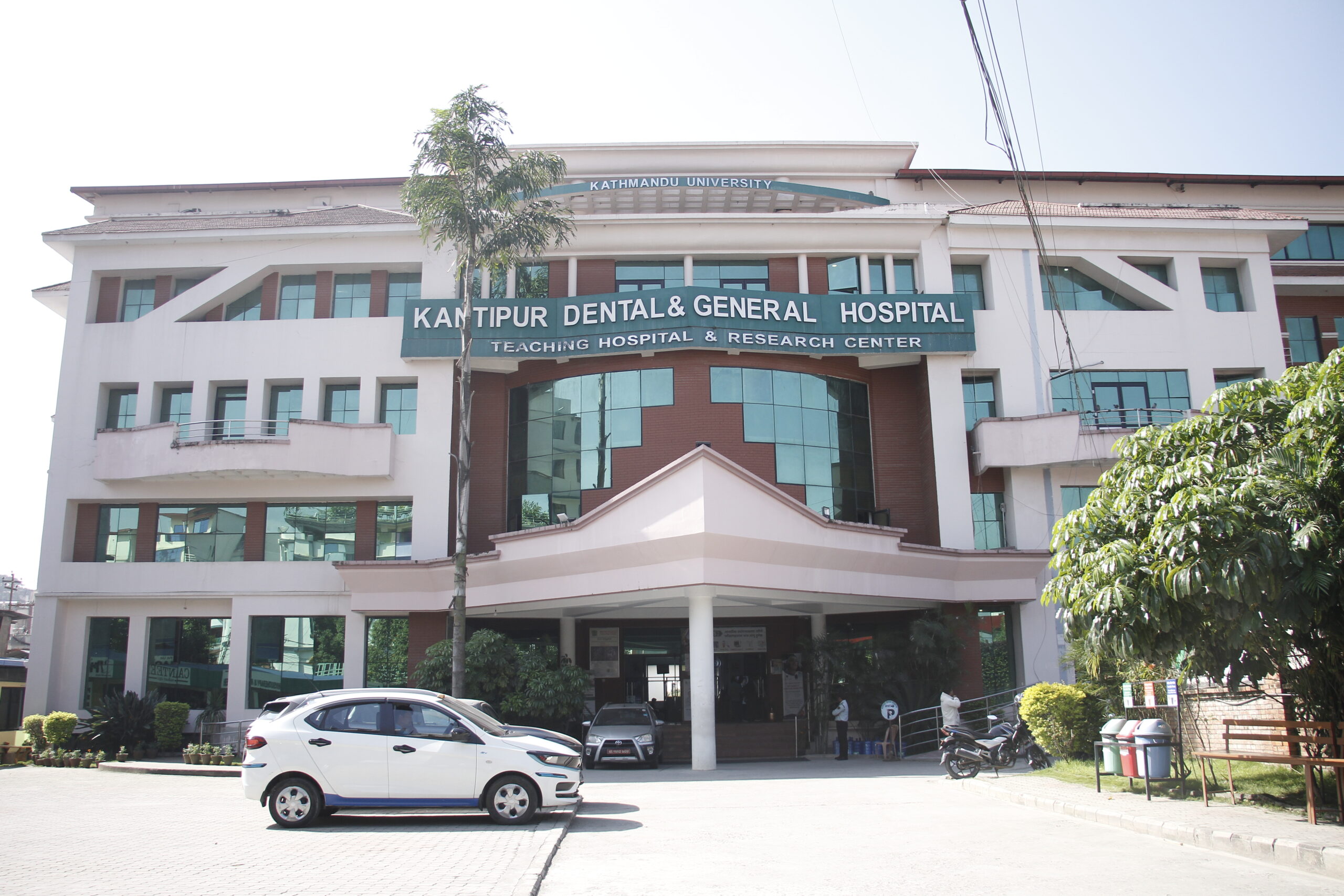
What a Top Hospital in Nepal Should Mean in 2026
A hospital earns the word “top” when it can convert urgency into action, complexity into coordinated care, and diagnosis into a clear treatment pathway. That is the difference between a hospital that looks impressive and a hospital that performs well when the situation is serious.
A useful rule is this: the best hospital is the one that stays reliable when the case becomes difficult. In healthcare, weak systems hide in delays, fragmented referrals, poor sterilization, missing follow-up instructions, or the absence of on-site diagnostics. Strong systems are quieter. They show up as fast triage, accurate imaging, available specialists, safe OT workflows, ICU readiness, and continuity after discharge. WHO’s patient-safety guidance emphasizes that avoidable harm is often caused by process failures, which is exactly why service design matters more than slogans.
Summary
- A Top Hospital in Nepal should be judged by system reliability
- A strong hospital in Kathmandu must connect emergency, diagnostics, specialists, and follow-up
- A true multispecialty hospital in Kathmandu reduces patient transfers and treatment delays
- For anyone searching a hospital around Basundhara, access matters, but only after safety and clinical readiness are verified
The Essential Services Every Modern Hospital in Nepal Should Provide
1. 24/7 emergency care with real triage capability
The first non-negotiable service is round-the-clock emergency care. Not a reception desk that stays open late, but a unit that can triage, stabilize, order urgent diagnostics, and escalate to ICU, OT, or specialist care when required. WHO describes emergency care as time-sensitive care across the life course, which is why a hospital’s response speed is not a convenience feature; it is a clinical variable.
For patients evaluating a hospital in Nepal or a hospital in Kathmandu, the questions are practical:
- Is triage available 24/7?
- Can the team stabilize trauma, breathing distress, infection, chest pain, or neurological emergencies?
- Is there ICU backup or an escalation pathway?
- Are diagnostics available without major delay?
KDC Hospital publicly lists 24-hour emergency services, ICU support, ambulance access, OT, diagnostics, and inpatient care, which aligns with what patients should verify in any serious comparison.
Summary
- Emergency care must mean triage, stabilization, diagnostics, and escalation
- In Kathmandu, speed and location both affect outcomes
- A hospital around Basundhara should be assessed on response readiness, not just proximity
2. ICU, OT, ambulance, and inpatient capacity under one roof
The second service category is critical-care infrastructure. A modern hospital should not force patients into unnecessary transfers for deterioration, surgery, or observation. ICU availability, OT readiness, inpatient beds, and ambulance coordination are core service signals because they reduce hidden friction in treatment. A hospital that can manage escalation on-site usually moves faster and communicates better during serious cases.
KDC’s publicly listed service stack includes a 100-bedded inpatient department, ICU, OT, ambulance, physiotherapy, and emergency services. That matters because patients comparing a multispecialty hospital in Kathmandu often do not need one department alone; they need the full chain of care to work when complications appear.
“A hospital becomes top-tier when it reduces treatment friction. Every avoided transfer, repeated test, and referral delay improves the patient experience and often improves safety.”
Summary
- ICU and OT are decision-making signals, not luxury add-ons
- Inpatient capacity improves continuity
- Ambulance coordination matters most when time is compressed
3. Diagnostics that support fast, confident decisions
A Top Hospital in Nepal should have diagnostic capability strong enough to prevent guesswork. In real patient journeys, diagnosis is where quality is either established or lost. Delayed imaging, outsourced tests, fragmented reporting, and unclear turnaround times create downstream errors.
A modern hospital in Kathmandu should ideally provide:
- Digital X-ray
- Ultrasound with color Doppler
- ECG and echocardiography
- Laboratory testing
- Endoscopy and colonoscopy where relevant
- Functional testing such as PFT when clinically indicated
KDC publicly lists digital X-ray, ECG/ECHO/TMT, ultrasonography with color Doppler, endoscopy, colonoscopy, sigmoidoscopy, and pulmonary function tests among its diagnostic services. For a hospital in Nepal, that mix matters because accurate diagnosis shortens time to treatment and reduces unnecessary referral loops.
Summary
- Good hospitals diagnose early, not late
- Diagnostics should be integrated into care, not treated as a separate business line
4. Multispecialty OPD and specialist coordination
A multispecialty hospital in Kathmandu should solve a common Nepal urban-care problem: patients bouncing from clinic to clinic for related issues. One doctor orders tests, another interprets them, a third handles complications, and no one owns the full picture. Modern hospitals fix that by building coordinated specialty pathways.
At minimum, patients expect access to internal medicine, general surgery, orthopedics, gynecology and obstetrics, cardiology, ENT, dermatology, psychiatry, ophthalmology, pediatrics, and rehabilitation. KDC’s publicly listed OPD and department pages cover these major specialties, including internal medicine, general surgery, orthopedic surgery, cardiology, ENT, ophthalmology, psychiatry, gynecology and obstetrics, dermatology, urology, pathology, microbiology, radiology, physiotherapy, and gastroenterology and hepatology.
The strategic value is simple: multispecialty care saves time, improves handoffs, and helps families use one hospital in Kathmandu for routine care, sudden illness, procedures, and follow-up.
Summary
- Multispecialty care is not just breadth; it is coordination
- Better coordination usually means fewer delays and clearer treatment plans
- This is one reason “multispecialty hospital in Kathmandu” has strong search intent
5. Sterilization, infection control, and the “quiet systems” patients miss
Many patients compare doctors and departments. Fewer compare the systems that protect them during procedures. That is a mistake. Behind-the-scenes quality is often the clearest separator between average and excellent hospitals.
Sterilization capacity, documented workflows, decontamination standards, safe storage of instruments, and disciplined infection-prevention processes all matter. WHO’s patient-safety guidance stresses that harm is frequently linked to system failures rather than single-person mistakes. That is why CSSD and infection control deserve attention in any hospital in Nepal evaluation.
KDC publicly describes a CSSD setup for cleaning, disinfecting, sterilizing, storing, and supplying surgical and dental instruments, using autoclave, hot air oven, chemical sterilizer, and ultrasonic cleaner. That is the type of operational detail patients should actively look for when evaluating a hospital around Basundhara or anywhere else in Kathmandu.
“Patients often see doctors and buildings first. Outcomes are just as dependent on the systems they never see.”
Summary
- Infection control is a trust signal
- CSSD is a serious differentiator for procedure-based care
- Quiet systems often predict safer care than loud branding
6. Preventive care, rehabilitation, pharmacy, and follow-up
A modern Top Hospital in Nepal should not be designed only for acute care. The stronger model is full-cycle care: screening, early detection, treatment, recovery, counseling, and follow-up. That matters in Nepal because hypertension, diabetes, orthopedic injuries, gastrointestinal disease, respiratory issues, and women’s health needs are often ongoing, not one-time events.
KDC publicly lists health check packages, physiotherapy, pharmacy, counseling-related support, preventive and wellness services, and chronic-disease related diagnostics. Those are practical advantages because the patient journey does not end when the immediate issue is solved. The hospital that manages the “after” is often the hospital families trust long term.
Summary
- Modern hospitals must support prevention and recovery
- Follow-up is part of quality, not an optional extra
- Family decision-making often favors hospitals that can manage long-term care
Certainly! Here’s the 7th point of the article, specifically focused on Neurology services:
7. Neurology Services: Critical for Complex Brain and Nerve Disorders
Neurology services are a cornerstone of modern healthcare, especially in a Top Hospital in Nepal. Neurological conditions, ranging from migraines and seizures to strokes, Alzheimer’s disease, and spinal cord disorders, require specialized care and intervention. Hospitals must be equipped with neurologists who have expertise in diagnosing and treating conditions of the brain, spinal cord, nerves, and muscles.
For patients seeking a hospital in Kathmandu, having a comprehensive neurology department can significantly improve outcomes for conditions that affect the nervous system. Neurologists in modern hospitals should be able to perform diagnostic tests such as MRI, CT scans, EEG, and lumbar punctures, along with providing cutting-edge treatments for both acute and chronic conditions.
KDC Hospital provides a range of neurology services, including consultations for neurological disorders, advanced diagnostic imaging, and treatment plans tailored to individual needs. These services help patients not only with acute neurological emergencies but also with chronic conditions requiring ongoing care and monitoring.
“Neurology services are indispensable for a hospital’s ability to address life-altering conditions such as stroke or neurodegenerative diseases. A top hospital should offer comprehensive diagnostic, therapeutic, and follow-up care to ensure long-term health management.”
Summary:
- Neurology services are essential for treating brain and nervous system disorders.
- A hospital in Kathmandu should offer advanced diagnostic tools like MRI, CT scans, and EEG.
- Specialized neurologists and tailored treatment plans are critical for long-term management of conditions like stroke, epilepsy, and dementia.
Comparison Table: What Patients Should Verify
Before choosing a hospital in Kathmandu or a hospital around Basundhara, use this framework.
| Service Area | Why It Matters | What Patients Should Verify | Public KDC Signal |
| 24/7 Emergency | Faster stabilization during acute illness or injury | Triage, urgent response, escalation | Emergency care publicly listed |
| ICU and Inpatient | Safer monitoring for serious or unstable cases | ICU presence, admission capacity | ICU and 100-bedded inpatient publicly listed |
| Operation Theatre | Critical for surgical readiness | OT, post-op systems, surgical support | OT publicly listed |
| Diagnostics | Better decisions and less delay | X-ray, ultrasound, ECG/ECHO, lab, scopes | Diagnostic services publicly listed |
| Multispecialty Care | Fewer referrals and better coordination | Specialist breadth and schedules | Broad OPD and doctor roster publicly listed |
| CSSD / Sterilization | Lower infection risk, safer procedures | Sterilization workflow and equipment | CSSD publicly described |
| Follow-Up Services | Better continuity and recovery | Rehab, pharmacy, chronic care, checkups | Physiotherapy, pharmacy, packages publicly listed |
How to Evaluate a Hospital in Kathmandu: A 7-Step Process
For patients comparing a hospital in Nepal or a multispecialty hospital in Kathmandu, this process is more useful than online hype.
- Start with the medical scenario. Emergency, surgery, chronic disease, pregnancy, pediatric issue, or diagnostic workup all require different service depth.
- Confirm emergency readiness. Do not assume 24/7 means full emergency capability.
- Check diagnostic speed. Ask whether essential tests happen on-site.
- Review specialists. A published doctor roster is stronger than vague claims.
- Verify ICU, OT, and inpatient support. Small problems can escalate unexpectedly.
- Look for infection-control signals. CSSD and sterilization systems matter.
- Assess continuity. Pharmacy, rehab, counseling, discharge instructions, and follow-up complete the care pathway.
This is the real meaning of informed hospital selection in 2026: not “Which hospital is famous?” but “Which hospital can manage my full pathway with the least avoidable delay and risk?” KDC’s public pages are notable because they publish not only services, but also doctor names, qualifications, NMC numbers, and many availability details.
Summary
- The right hospital depends on the patient scenario
- Published systems and specialist details are stronger than generic claims
- A hospital around Basundhara should be assessed with the same rigor as any citywide hospital
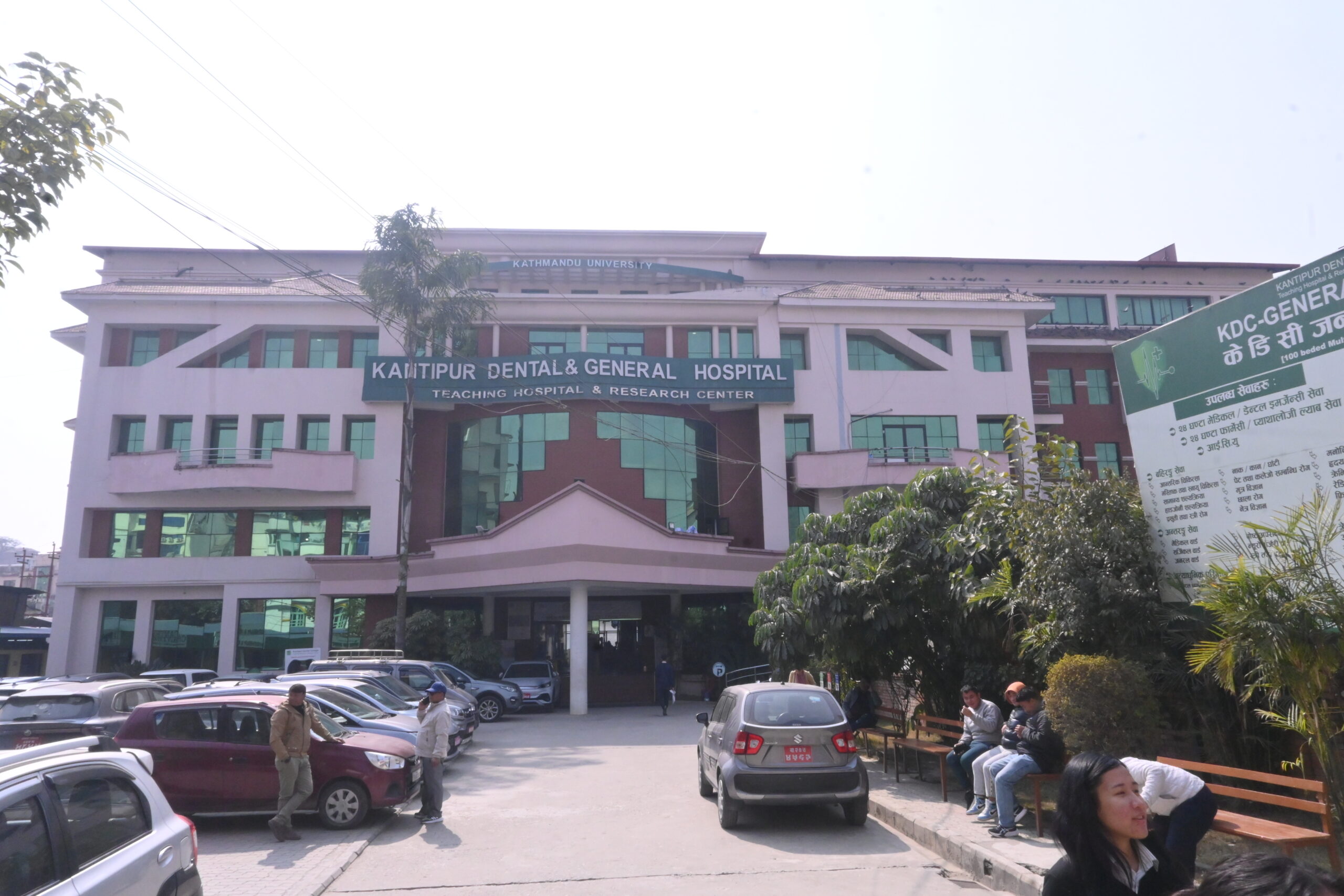
Why Doctor Names and Experience Matter
KDC specialists such as Dr. Sanjay Kumar Sah, Senior Consultant in Internal Medicine with over 26 years of clinical experience; Dr. Dinesh Prasad Koirala, Senior Consultant Paediatric Surgeon with over 8 years of specialized experience; Dr. Subash Acharya, ENT Surgeon; Dr. Bipin Kumar Shrestha, General Laparoscopic Surgeon; Dr. Anuj Shrestha, Orthopedic Surgeon; and Dr. Bijaya Kumar Shrestha, Orthopedic Surgeon with expertise spanning trauma, sports injuries, arthroscopy, reconstructive work, and musculoskeletal oncology. Publicly available doctor details like these are useful because they move the conversation from vague “best hospital” language to verifiable clinical depth.
FAQs
1. What services should a Top Hospital in Nepal provide?
A modern Top Hospital in Nepal should provide 24/7 emergency care, ICU backup, inpatient services, OT access, diagnostics, specialist consultations, infection control, pharmacy, rehabilitation, and structured follow-up. The strongest hospitals combine speed, coordination, and patient safety.
2. Why is a multispecialty hospital in Kathmandu better for many families?
A multispecialty hospital in Kathmandu can coordinate care across medicine, surgery, orthopedics, gynecology, cardiology, and diagnostics under one roof. That usually reduces repeated visits, referral delays, and fragmented treatment.
3. What should patients check before choosing a hospital in Kathmandu?
Patients should verify emergency readiness, diagnostics, specialist availability, ICU support, infection-control systems, accessibility, and follow-up care. A published doctor roster and clear service page are strong signals.
4. Why does CSSD matter in a hospital in Nepal?
CSSD matters because proper cleaning, sterilizing, storing, and supplying instruments reduces infection risk and supports safer surgeries and procedures. It is one of the most important quality systems patients often overlook.
5. What makes a hospital around Basundhara practical for emergencies?
For a hospital around Basundhara, practicality means more than being nearby. It should also have emergency capability, diagnostics, specialist access, and escalation systems such as ICU or OT support. Location only helps when the clinical system behind it is strong.
6. Does published doctor experience improve trust?
Yes. When a hospital publishes doctor names, qualifications, NMC numbers, and schedules, patients can evaluate expertise more responsibly. That improves trust and helps people choose the right specialist earlier.

Conclusion: The Modern Standard Is Reliability, Not Reputation Alone
A Top Hospital in Nepal should provide more than treatment. It should provide readiness, coordination, safety, and continuity. For patients comparing a hospital in Nepal, a hospital in Kathmandu, a multispecialty hospital in Kathmandu, or a hospital around Basundhara, the winning question is not “Who claims to be best?” It is “Who can deliver the full care pathway with the fewest weak points?”
Key takeaways
- 24/7 emergency, ICU, OT, diagnostics, and inpatient care are core, not optional
- Specialist depth matters more when doctor names and experience are publicly visible
- Infection control and CSSD are major trust signals
- Preventive care, rehab, pharmacy, and follow-up separate short-term treatment from long-term healthcare
- Hospitals should be judged by how well their systems work under pressure, not by marketing language alone