
Finding the right hospital in Nepal is one of the most important decisions for patients seeking quality healthcare. Whether you need routine medical consultation, emergency treatment, or specialized procedures, understanding how hospitals operate can help you make informed choices.
Nepal’s healthcare system has evolved significantly in the past two decades. Today, hospitals provide advanced services including emergency medicine, diagnostic testing, surgical care, and preventive health programs. In cities like Kathmandu, patients can access comprehensive care through multispecialty hospitals equipped with modern medical technologies and experienced doctors.
This guide explains the structure of healthcare services in Nepal, the types of hospitals available, and how to choose a reliable hospital in Kathmandu for long-term healthcare needs.
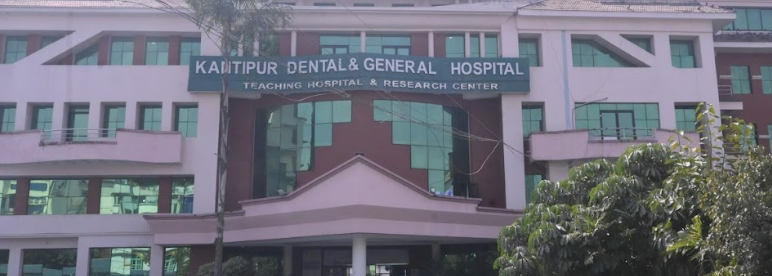
A hospital in Nepal is a healthcare facility that provides diagnosis, treatment, emergency care, and preventive health services through trained medical professionals. Modern hospitals offer specialized departments such as cardiology, surgery, orthopedics, pediatrics, and diagnostic services to support comprehensive patient care.
Healthcare System in Nepal
The healthcare system in Nepal combines public hospitals, private hospitals, and teaching hospitals. Each type plays a role in providing accessible healthcare services in Nepal.
Public hospitals generally provide essential medical services supported by government programs. Private and teaching hospitals often offer advanced treatments, specialized departments, and modern diagnostic technologies.
Healthcare improvements in Nepal have focused on:
- expanding emergency services
- improving diagnostic infrastructure
- strengthening specialist departments
- promoting preventive healthcare
Hospitals in major urban centers such as Kathmandu now provide multispecialty medical care, making advanced treatments more accessible.
Key healthcare system insights
- Urban hospitals provide advanced medical infrastructure
- Multispecialty hospitals improve coordinated treatment
- Preventive healthcare programs are expanding nationwide
Types of Hospitals in Nepal
Patients searching for a medical hospital in Nepal will encounter several types of healthcare facilities.
1. Government Hospitals
These hospitals are funded by the state and focus on providing affordable healthcare services.
Common features include:
- basic medical treatment
- public health programs
- subsidized services
2. Private Hospitals
Private hospitals often offer faster service and specialized care.
Advantages include:
- modern medical technology
- specialist doctors
- shorter waiting times
3. Teaching Hospitals
Teaching hospitals combine medical education with patient care.
They provide:
- advanced diagnostic services
- specialist departments
- research-driven medical practices
Hospital Comparison
| Hospital Type | Key Features | Best For |
| Government Hospitals | Affordable care | Basic treatment |
| Private Hospitals | Advanced technology | Specialized care |
| Teaching Hospitals | Research and training | Complex medical conditions |
Multispecialty Hospitals in Nepal
A multispecialty hospital in Nepal provides treatment across multiple medical disciplines within one facility.
This integrated model improves patient outcomes because doctors from different specialties collaborate during diagnosis and treatment.
Common departments in multispecialty hospitals include:
- general medicine
- cardiology
- orthopedics
- pediatrics
- gynecology
- dermatology
- psychiatry
- surgery
Hospitals that offer these integrated services allow patients to receive comprehensive medical care without visiting multiple facilities.
For example, patients searching for the best hospital in Nepal often prioritize hospitals that combine emergency care, diagnostics, and specialist departments.
You can explore more insights about leading healthcare institutions in Nepal in this article:
best hospital in Nepal → https://kdchospital.com/best-hospital-in-nepal/
Emergency Services in Hospitals
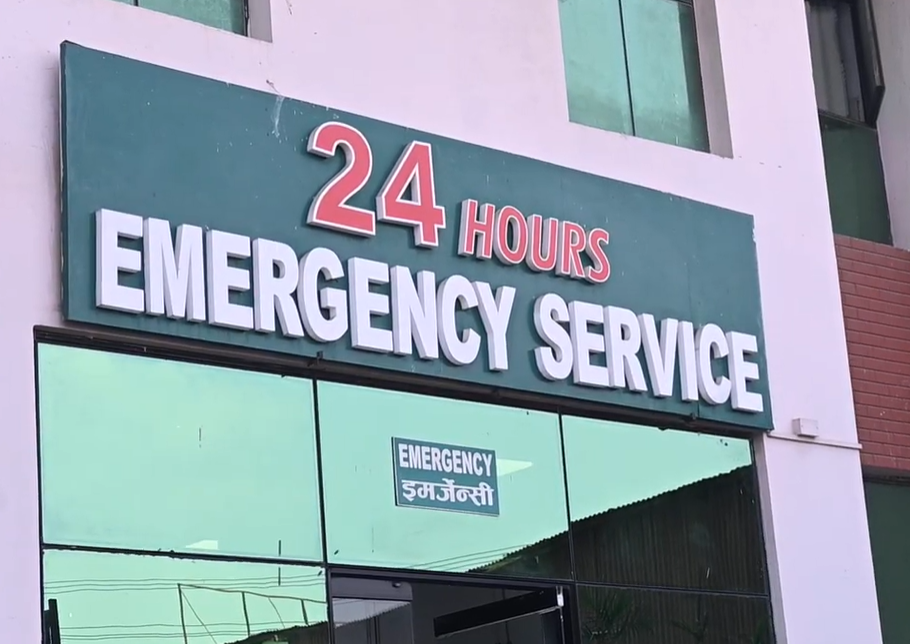
Emergency care is one of the most critical services offered by a hospital in Kathmandu.
Emergency departments are designed to provide immediate treatment for life-threatening conditions.
Common emergency cases include:
- accidents and trauma
- heart attacks
- severe infections
- breathing difficulties
- sudden neurological conditions
How Emergency Hospital Care Works
- Patient triage and quick assessment
- Immediate stabilization
- Diagnostic evaluation
- Emergency treatment
- Admission or referral if necessary
Hospitals equipped with 24-hour emergency services can significantly improve survival rates during critical situations.
If you want to understand emergency healthcare services in detail, read:
emergency hospital in Kathmandu → https://kdchospital.com/emergency-hospital-in-kathmandu/
Diagnostic Services in Hospitals
Accurate diagnosis is the foundation of effective medical treatment.
A modern medical hospital in Nepal typically offers diagnostic services such as:
- digital X-ray
- ultrasound imaging
- ECG and cardiac monitoring
- laboratory testing
- endoscopy and colonoscopy
- pulmonary function tests
These technologies allow doctors to detect diseases earlier and plan more precise treatments.
Why diagnostic services matter
- early detection improves recovery rates
- accurate diagnosis reduces treatment errors
- imaging technology helps monitor disease progression
Hospital Departments Explained
Understanding hospital departments helps patients navigate healthcare services more effectively.
Common Departments in Hospitals
General Medicine
Treats common illnesses and manages chronic diseases.
Cardiology
Focuses on heart diseases including hypertension and heart rhythm disorders.
Orthopedics
Treats bone injuries, fractures, and joint disorders.
Pediatrics
Provides healthcare services for infants, children, and adolescents.
Gynecology and Obstetrics
Focuses on women’s reproductive health and pregnancy care.
Dermatology
Treats skin diseases, infections, and allergies.
Psychiatry
Provides mental health evaluation and therapy.
Hospitals offering a broad range of departments ensure patients receive coordinated treatment across specialties.
For more information about healthcare facilities in Kathmandu, you can explore:
best hospital in Kathmandu → https://kdchospital.com/best-hospital-in-kathmandu/
Choosing the Right Hospital in Kathmandu
Selecting a reliable hospital in Kathmandu requires evaluating several important factors.
Key Factors to Consider
- availability of specialist doctors
- emergency services
- diagnostic infrastructure
- patient safety standards
- treatment transparency
Step-by-Step Process for Choosing a Hospital
- Check hospital specialization and departments
- Review diagnostic and emergency facilities
- Evaluate doctor qualifications and experience
- Consider accessibility and location
- Compare patient reviews and reputation
Patients living near Basundhara often look for accessible healthcare options in their area. Learn more about local healthcare providers here:
best hospital in Basundhara → https://kdchospital.com/best-hospital-in-basundhara/
Preventive Healthcare and the Role of Hospitals
Modern healthcare systems emphasize prevention rather than treatment alone.
Hospitals now support preventive healthcare through:
- health screenings
- vaccination programs
- lifestyle counseling
- early disease detection
Preventive healthcare reduces long-term medical costs and improves quality of life.
Healthcare experts often emphasize:
“Preventive medicine is one of the most effective strategies for improving national health outcomes.”
Hospitals that integrate preventive healthcare programs contribute significantly to public health improvements.
Expert Perspective on Modern Hospitals
Healthcare systems are evolving rapidly as hospitals adopt new technologies and integrated care models.
Many hospitals now focus on:
- multidisciplinary treatment teams
- digital diagnostics
- patient-centered care models
At institutions such as KDC Hospital, experienced healthcare professionals contribute to delivering structured patient care supported by modern medical infrastructure.
Frequently Asked Questions
1. What services does a hospital in Nepal provide?
Hospitals in Nepal provide emergency care, diagnostic testing, surgical procedures, specialist consultations, and preventive healthcare services.
2. What is a multispecialty hospital?
A multispecialty hospital offers treatment across several medical departments including cardiology, orthopedics, pediatrics, gynecology, and surgery.
3. How do I choose the right hospital in Kathmandu?
Choose a hospital based on specialist expertise, diagnostic services, emergency care availability, and patient safety standards.
4. Why are diagnostic services important in hospitals?
Diagnostic services help doctors detect diseases accurately and create effective treatment plans.
5. What should I bring when visiting a hospital?
Patients should bring identification documents, previous medical reports, and prescription records.
6. Are private hospitals better than government hospitals?
Both types of hospitals provide valuable services. Private hospitals may offer faster access and specialized care, while government hospitals provide affordable treatment.
Conclusion: Understanding Hospitals in Nepal
Hospitals play a vital role in maintaining public health and delivering essential medical care. As healthcare services continue to improve, patients now have access to advanced treatments and specialized departments across many hospitals.
Key Takeaways
- Nepal’s healthcare system includes government, private, and teaching hospitals
- Multispecialty hospitals provide integrated healthcare services
- Emergency departments are essential for life-saving care
- Diagnostic services enable accurate treatment planning
- Preventive healthcare programs help reduce long-term health risks
Choosing a reliable hospital in Nepal involves evaluating expertise, infrastructure, and accessibility. Patients who understand how hospitals function are better prepared to make informed healthcare decisions.