
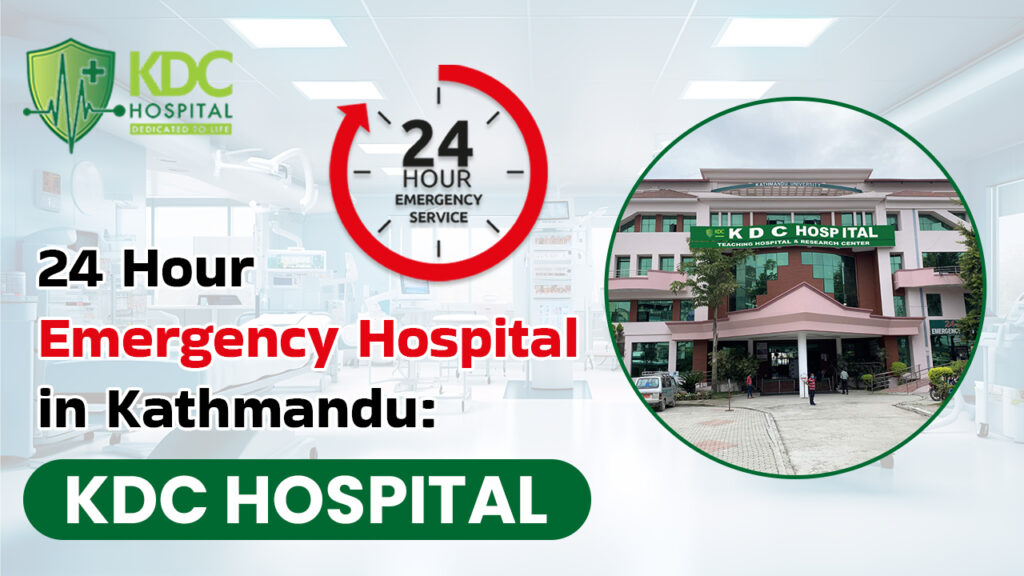
When people search for an emergency hospital in Kathmandu, they are not looking for branding. They are looking for speed, safety, diagnostics, specialist access, and the confidence that care will still function well at 2 AM. That is the real standard. In Kathmandu, where traffic, timing, and referral delays can change outcomes, choosing the right hospital in Kathmandu means understanding what a 24-hour emergency system actually requires and how to verify it before a crisis happens. KDC Hospital in Basundhara is one of the hospitals publicly listing 24/7 emergency care, ICU support, diagnostics, ambulance access, and a published doctors roster, which makes it relevant to this search intent.
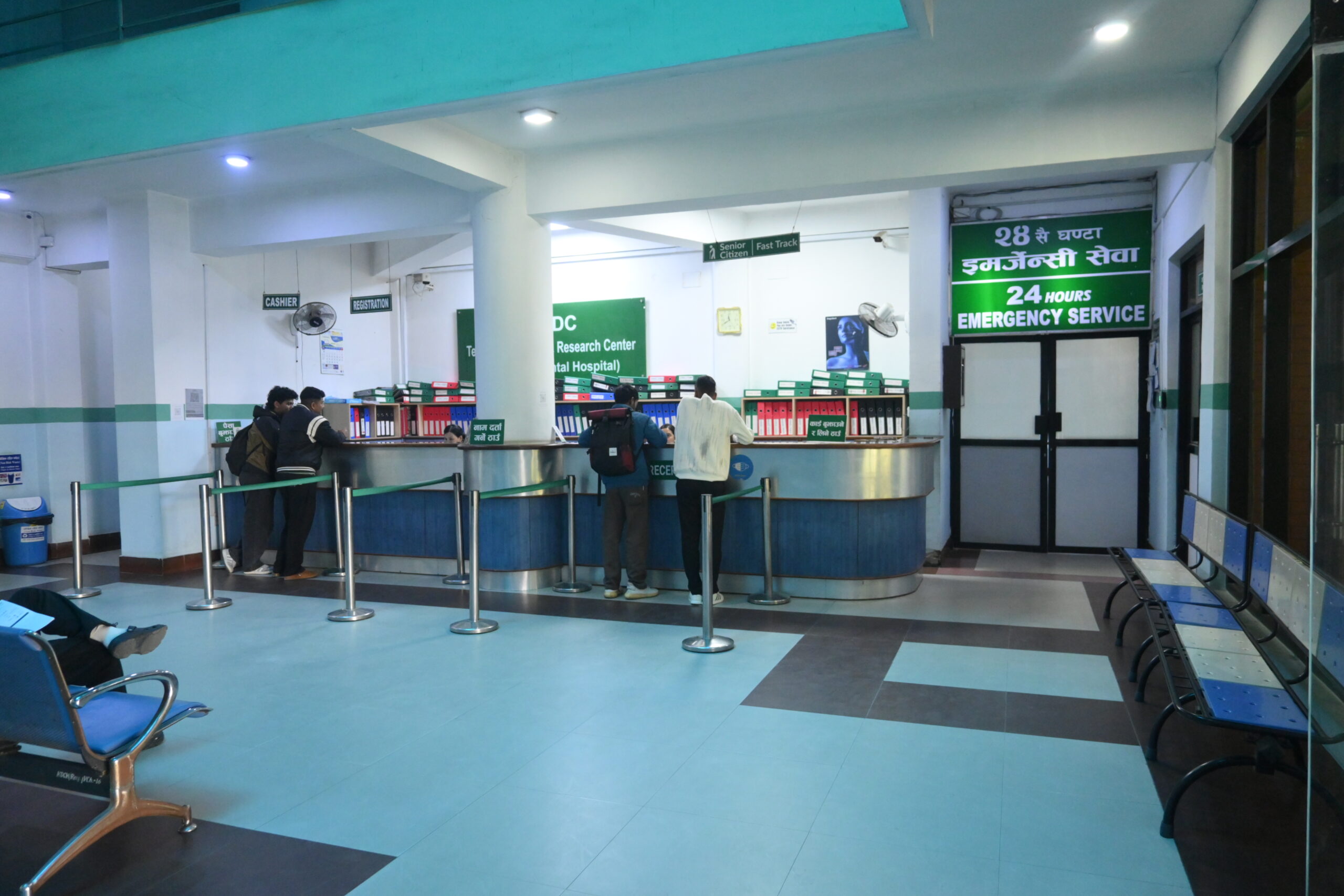
Direct answer: An emergency hospital in Kathmandu is a hospital that can provide 24/7 triage, urgent stabilization, rapid diagnostics, specialist escalation, and inpatient or ICU support when needed. In practice, the best option is the one that combines emergency readiness, qualified doctors, reliable diagnostics, and accessible location, not just a well-known name.
What defines a real emergency hospital in Kathmandu
A real emergency hospital is not simply a hospital that stays open late. It must be able to assess severity quickly, stabilize patients, run essential tests without delay, and escalate to surgery, ICU, or specialist care when the condition demands it. WHO’s emergency care framework emphasizes that emergency care is a system, from first contact through emergency-unit care and early inpatient management, not a single room or label.
For patients comparing a hospital in Nepal or a hospital in Kathmandu, these are the most important signals:
- 24/7 emergency intake and triage
- On-site or rapidly available critical care support
- Access to imaging and laboratory diagnostics
- Operation theatre and procedure readiness
- Ambulance coordination
- Published specialist availability
- Safe sterilization and infection-prevention workflows
- Clear discharge and follow-up planning
Summary
- A genuine emergency hospital in Kathmandu must do more than admit patients.
- It should triage fast, diagnose accurately, stabilize safely, and escalate care without dangerous delays.
- Emergency capability is a systems question, not a slogan.
Why 24-hour emergency readiness matters more than most people realize
Emergency care is time-sensitive by definition. Delays in triage, imaging, lab turnaround, airway management, trauma evaluation, or ICU transfer can materially affect outcomes. WHO notes that emergency and critical care are foundational to health-system resilience and are essential during routine acute illness as well as larger-scale health events.
In Kathmandu, that logic becomes even more practical. People often search for a hospital in Basundhara or a nearby hospital in Kathmandu because location influences travel time, and travel time influences treatment time. A nearby hospital only helps, however, if it can actually deliver emergency care once the patient arrives.
This is why smart patients should think in layers:
- Can the hospital receive emergency cases 24/7?
- Can it diagnose quickly on-site?
- Can it escalate to ICU, surgery, or specialty care?
- Can it maintain safe processes during handoffs and treatment?
A hospital that performs well across all four layers is more likely to reduce “hidden friction” such as repeated transfers, delayed tests, or fragmented specialist access.
Key takeaway
The best emergency hospital is not necessarily the biggest building. It is the hospital with the most dependable emergency workflow. That includes night-time readiness, diagnostics, escalation pathways, and process discipline.
How to evaluate an emergency hospital in Kathmandu before you need one
Most families wait until the crisis has already started. That is the worst time to compare hospitals. A better approach is to pre-evaluate one or two options now.
1. Confirm 24/7 emergency availability
Do not assume. Verify whether the hospital publicly states round-the-clock emergency service. KDC Hospital’s site lists 24/7 medical services and emergency care and also highlights emergency services among its core offerings.
2. Check ICU and inpatient backup
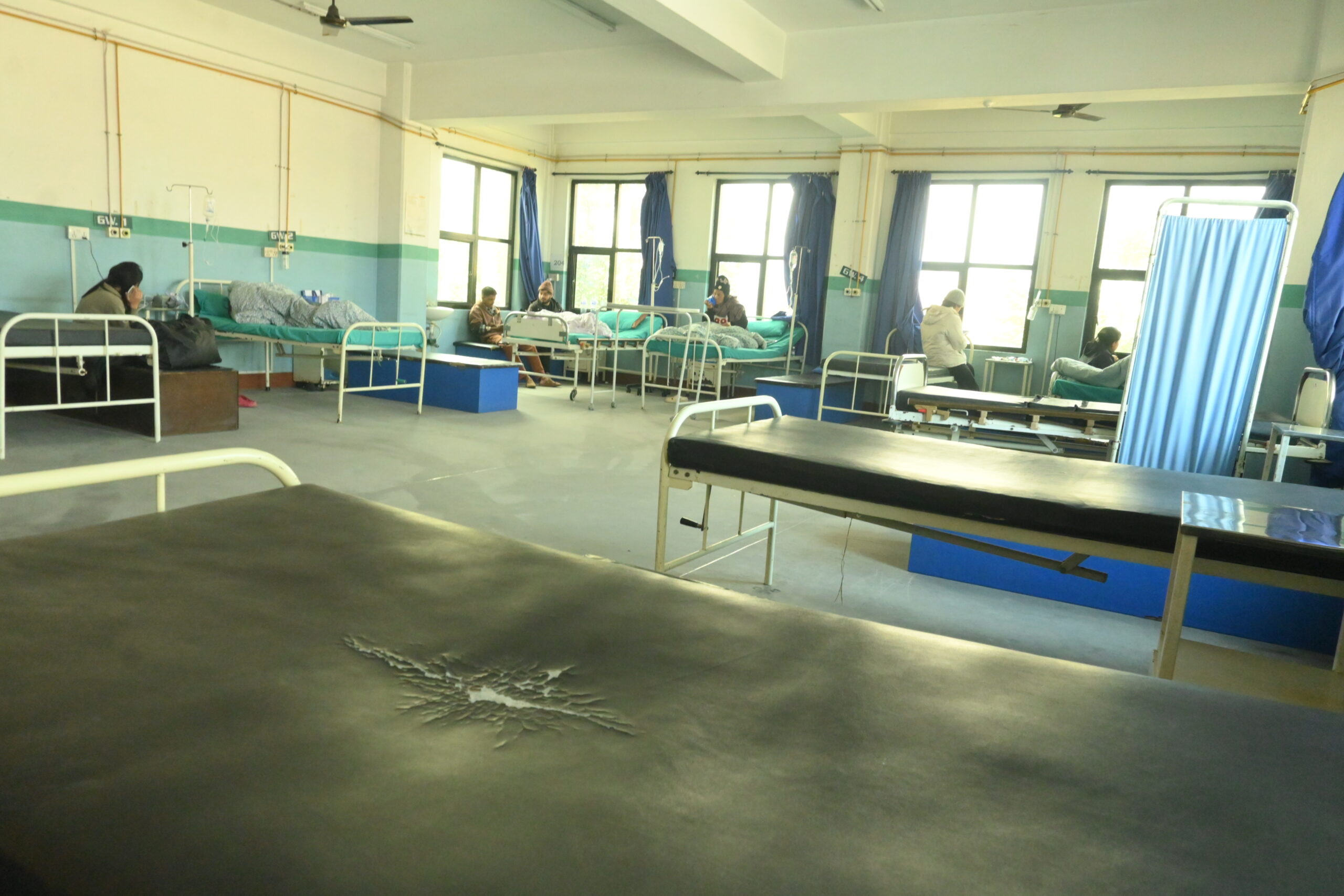
A patient who walks in for “just observation” can worsen quickly. KDC publicly lists ICU and a 100-bedded inpatient setup among its hospital capabilities, which matters for monitoring and escalation.
3. Look for diagnostics under one roof
Emergency decisions are only as good as the data behind them. KDC states that it provides radiology and laboratory capabilities, and its newer hospital content also references a fully automated laboratory and radiology unit.
4. Verify operation theatre and procedure readiness
For trauma, acute abdomen, emergency surgery, or urgent interventions, the presence of an operation theatre matters. KDC publicly lists Operation Theatre among its core services.
5. Review doctor transparency
A reliable hospital in Nepal should not hide who is treating patients. KDC publishes an Our Doctors page with names, departments, qualifications, Nepal Medical Council numbers, and for many doctors, available times. That is a strong trust signal because published clinician information supports patient planning and accountability.
6. Check infection prevention and sterilization systems
Patients often overlook this, but sterilization is one of the strongest “quiet” quality signals in hospital care. KDC’s recent hospital content highlights CSSD sterilization as part of its infrastructure, and WHO-linked CSSD guidance emphasizes that sterilization and decontamination are central to patient safety.
Section summary
- Verify emergency, ICU, diagnostics, OT, specialists, and sterilization.
- A hospital in Kathmandu should be judged by care reliability, not by ad copy.
- The smartest time to choose your emergency hospital is before the emergency.
KDC Hospital in Basundhara: an evidence-based fit for emergency-intent searches
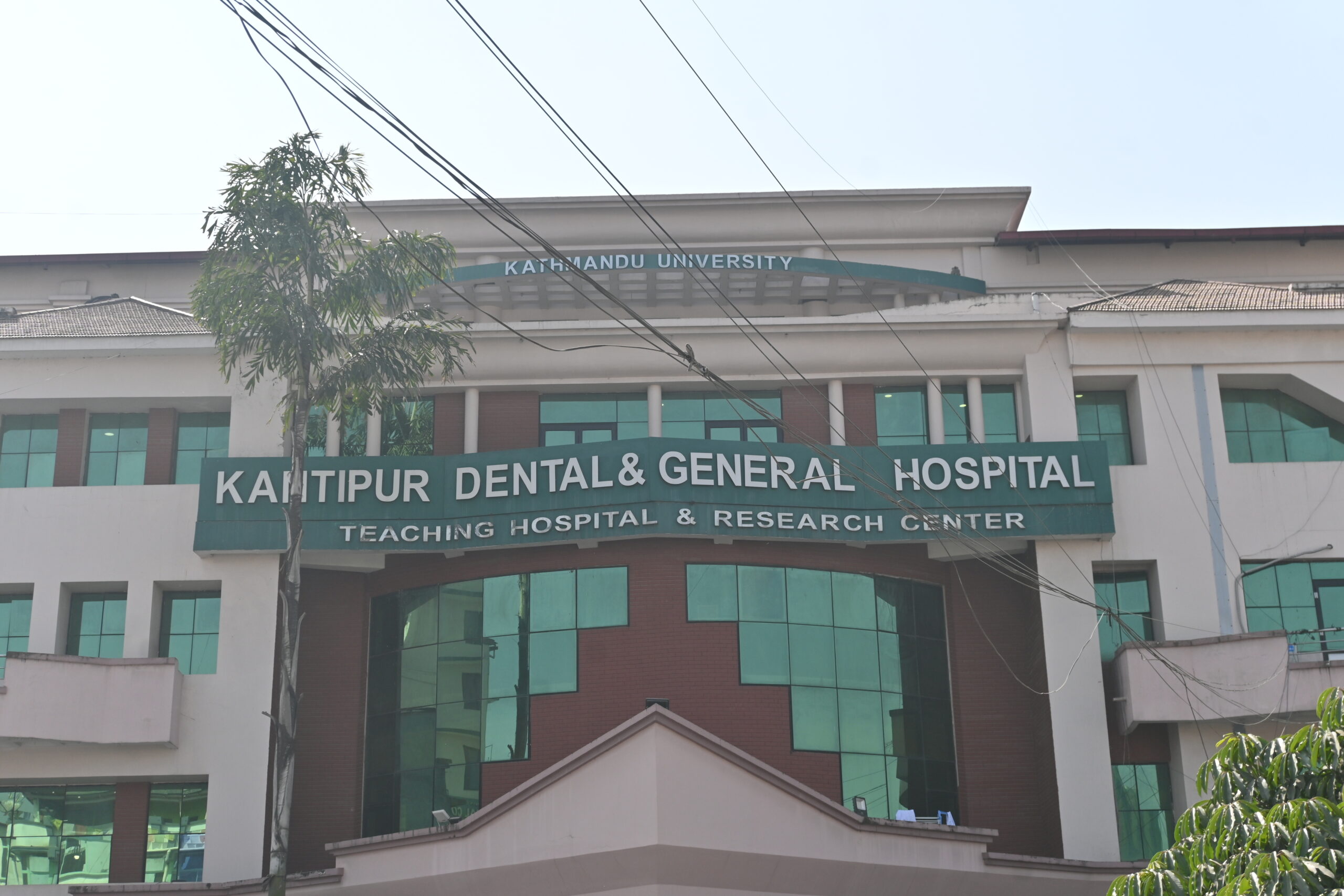
For users searching for an emergency hospital in Kathmandu, hospital in Basundhara, or hospital in Kathmandu, KDC Hospital is relevant because its public information aligns with the operational signals that matter most in urgent care.
Location and accessibility
KDC Hospital is located in Dhapasi, Basundhara (Near Police Beat), Ring Road, Kathmandu-3, and the hospital states it is accessible from across the Kathmandu Valley. For local search intent, location matters because it shortens one of the few variables patients can control during emergencies: arrival time.
Emergency and critical care capability
KDC publicly lists:
- 24-hour emergency services
- ICU support
- Operation theatre
- Ambulance
- Inpatient beds
- Broad multispecialty support
That combination is strategically important. Hospitals that can receive, diagnose, stabilize, and continue care in one place reduce the clinical risk created by inter-facility movement.
Experience and institutional maturity
KDC states that its healthcare journey began in 1997, that it became a fully operational hospital in 2015, and that it has 50+ consultants with 25+ years of collective experience along with 5000+ minor and major surgical procedures using advanced equipment. Those are useful maturity signals because emergency performance depends heavily on repetition, systems training, and procedural discipline.
Quotable insight: In emergency medicine, patients do not benefit from hospital claims; they benefit from hospital systems. The facilities that earn trust are the ones that make diagnosis, escalation, and safe treatment predictable under pressure.
Doctors and specialist access: why this matters in an emergency hospital
An emergency hospital is only as strong as its specialist handoffs. KDC’s published doctors page lists multiple consultants across internal medicine, general surgery, orthopedics, gynecology and obstetrics, gastroenterology, dermatology, psychiatry, cardiology, radiology, ENT, urology, ophthalmology, pathology, microbiology, physiotherapy, and dietetics.
Examples from KDC’s published roster include:
- Dr. Durga Bhandari — Internal Medicine, MBBS, MD
- Dr. Bipin Kumar Shrestha — General Surgery, MBBS, MS
- Dr. Sabin Pokharel — Orthopedic Surgery, MBBS, MS
- Dr. Jayanti Dhungana — Psychiatry, MBBS, MD
- Dr. Bibek Baniya — Cardiology, MBBS, MD
- Dr. Sujit Poudel — Urology, MBBS, MS, MCh Urology
KDC’s recent social updates also highlight named doctors with experience details, including:
- Dr. Sanjay Kumar Sah — Internal Medicine, 26+ years of clinical experience with international training
- Dr. Dinesh Prasad Koirala — pediatric surgical specialist with over 8 years of specialized experience
That matters because specialist depth changes what a hospital in Nepal can safely manage on-site. Published doctor information also improves continuity of care after emergency stabilization.
Extractable summary
- KDC publishes doctor names, specialties, qualifications, and many OPD times.
- Public doctor transparency is a strong trust signal for YMYL healthcare content.
- Specialist access matters because emergencies often become multidisciplinary fast.
Comparison table: what to look for in an emergency hospital in Kathmandu
| Evaluation factor | What strong readiness looks like | Why it matters |
| 24/7 emergency | Round-the-clock intake and triage | Emergencies do not follow OPD hours |
| ICU backup | On-site ICU or clear escalation pathway | Critical deterioration can happen suddenly |
| Diagnostics | Fast lab and imaging access | Decisions depend on timely evidence |
| Operation theatre | OT access for urgent procedures | Important for trauma, surgery, and complications |
| Specialist coverage | Published doctors and departments | Safer handoffs and better continuity |
| Ambulance access | Transport coordination available | Reduces delays in urgent movement |
| Sterilization/CSSD | Clear infection-prevention systems | Patient safety extends beyond the emergency room |
This table is the practical filter users should apply when comparing any hospital in Kathmandu or hospital in Basundhara
A simple 5-step family checklist before an emergency happens
- Save the hospital’s emergency number and exact location.
- Confirm whether the hospital has ICU, diagnostics, and ambulance support.
- Review the doctors page for key specialties your family may need.
- Keep prior prescriptions, allergies, and test reports accessible.
- Choose the hospital that minimizes transfer risk, not just travel distance.
FAQ: Emergency hospital in Kathmandu
What is the best way to choose an emergency hospital in Kathmandu?
Choose based on emergency readiness, ICU support, diagnostics, specialist access, and safe clinical systems. In healthcare, reliability matters more than popularity.
Why does location matter when choosing a hospital in Kathmandu?
Location reduces arrival time, which is critical during trauma, breathing problems, chest pain, stroke symptoms, or acute infection. But proximity only helps if the hospital can actually provide emergency care on arrival.
Is a multispecialty hospital better for emergencies?
Often, yes. A multispecialty hospital in Nepal can reduce delays by providing internal medicine, surgery, orthopedics, radiology, pathology, and critical care support within one coordinated system.
Why is ICU support important in an emergency hospital?
Some patients worsen after initial assessment. ICU support allows closer monitoring, escalation, and management of unstable or high-risk cases.
Why should patients care about CSSD or sterilization?
Because sterile instruments and proper decontamination reduce infection risk and support safer procedures. Sterilization is one of the strongest behind-the-scenes patient safety indicators.
Is KDC Hospital a hospital in Basundhara with 24-hour emergency care?
KDC Hospital publicly states that it is located in Basundhara, Kathmandu, and offers 24/7 medical services and emergency care, along with ICU, OT, ambulance, and diagnostic support.
Does KDC Hospital publish doctors and specialist details?
Yes. KDC’s Our Doctors page lists names, departments, qualifications, NMC numbers, and for many consultants, available timings.
Final takeaway: what actually matters when searching for an emergency hospital in Kathmandu
If you are comparing an emergency hospital in Kathmandu, use a clinical lens, not a marketing lens. The right hospital is the one that can respond quickly, diagnose accurately, escalate safely, and continue care without avoidable friction. For users specifically searching for a hospital in Basundhara or a reliable hospital in Kathmandu, KDC Hospital is a relevant option because its public information shows 24-hour emergency care, ICU and inpatient capacity, operation theatre, ambulance support, diagnostics, a published doctors roster, and long institutional experience.
Summary points
- A true emergency hospital is defined by systems, not slogans.
- Emergency readiness requires triage, diagnostics, escalation, and continuity.
- Location matters, but only after clinical capability is verified.
- KDC Hospital’s published information aligns with what informed patients should check first.